1000+ supporters and allies across the globe
FROM THE PRODUCTION
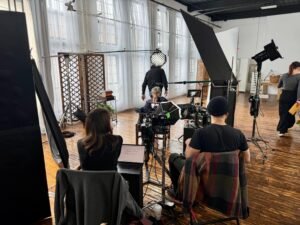
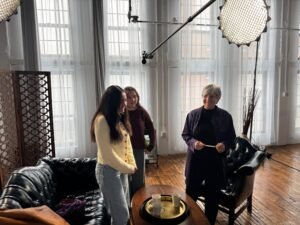
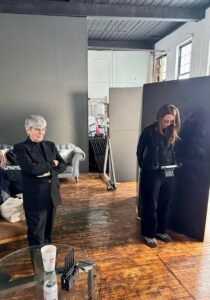
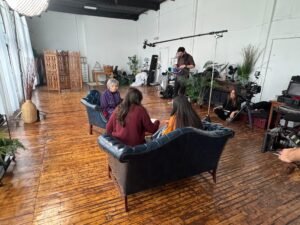
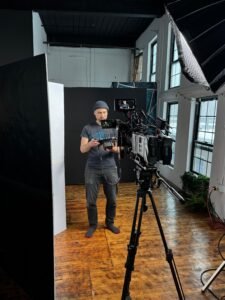
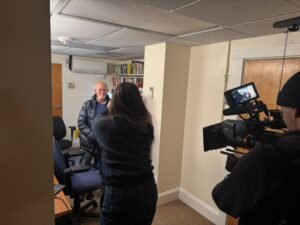
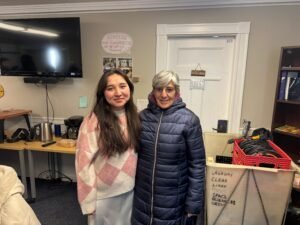
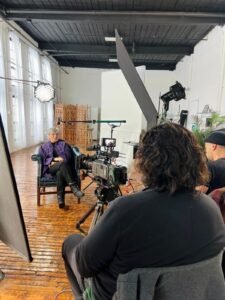
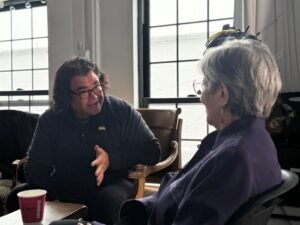
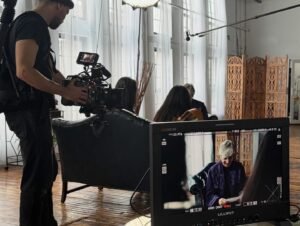
Our team at Friends of Sima Samar filmed the sizzle for Ripples of Courage — a film inspired by the strength, resilience, and lifelong work of Dr. Sima Samar.
Produced by Forty Girls Productions, this project shares a powerful story of courage, truth, and the impact one person can have in creating change.
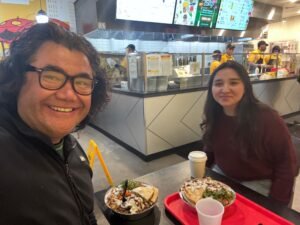
We’re proud of our amazing team who made this possible.
Follow friends_of_simasamar on Instagram to see more updates and behind-the-scenes moments from this journey.








Allies in Courage
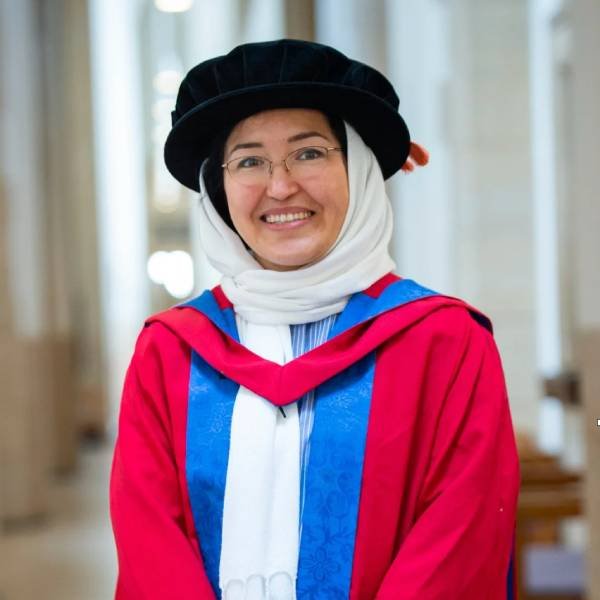
Dr. Shakardokht Jafari
A pioneering medical physicist and recipient of the 2024 Innovator of the Year award, proudly…
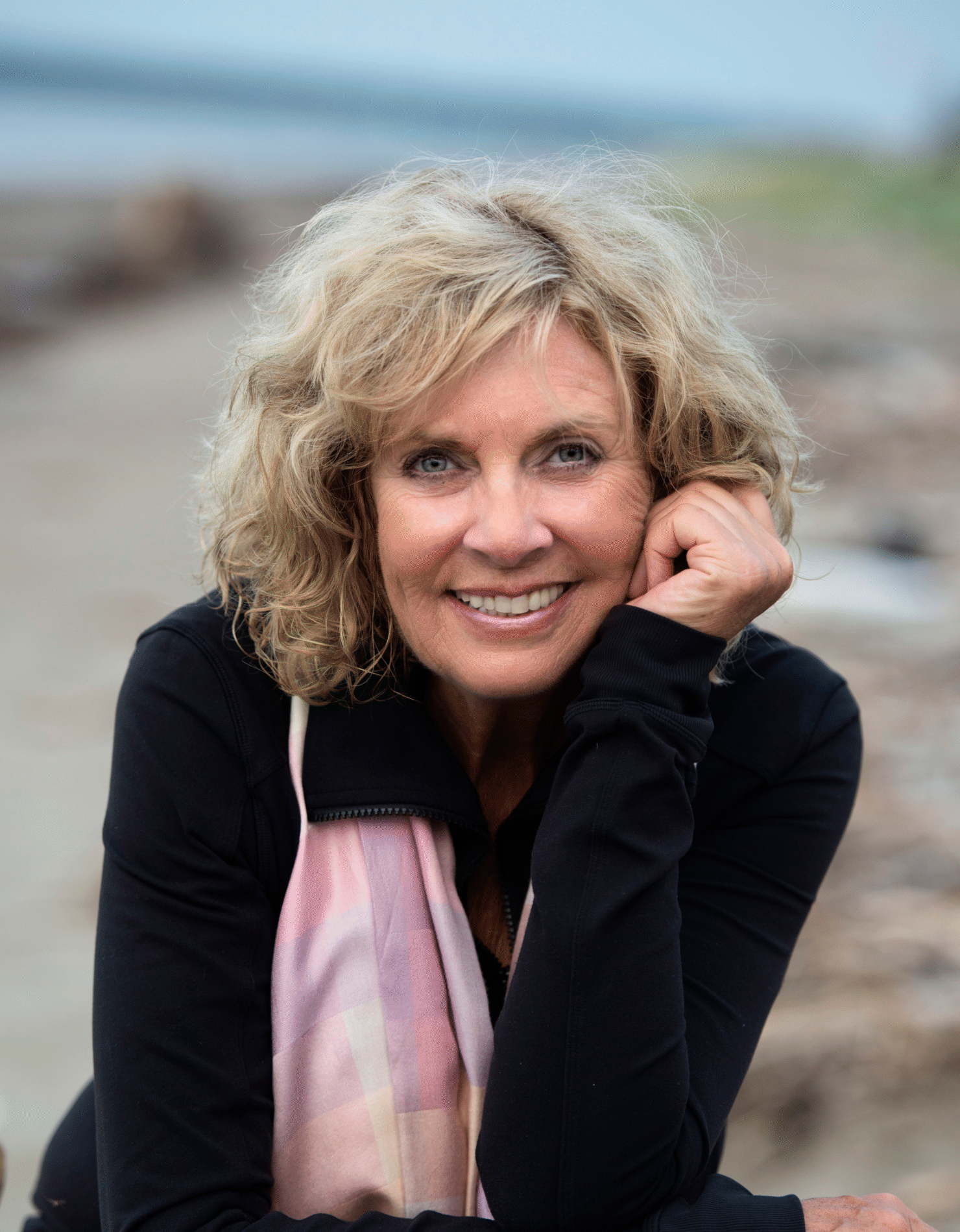
Sally Armstrong
Sally Armstrong is a renowned human rights activist, journalist, and award-winning author whose work has…
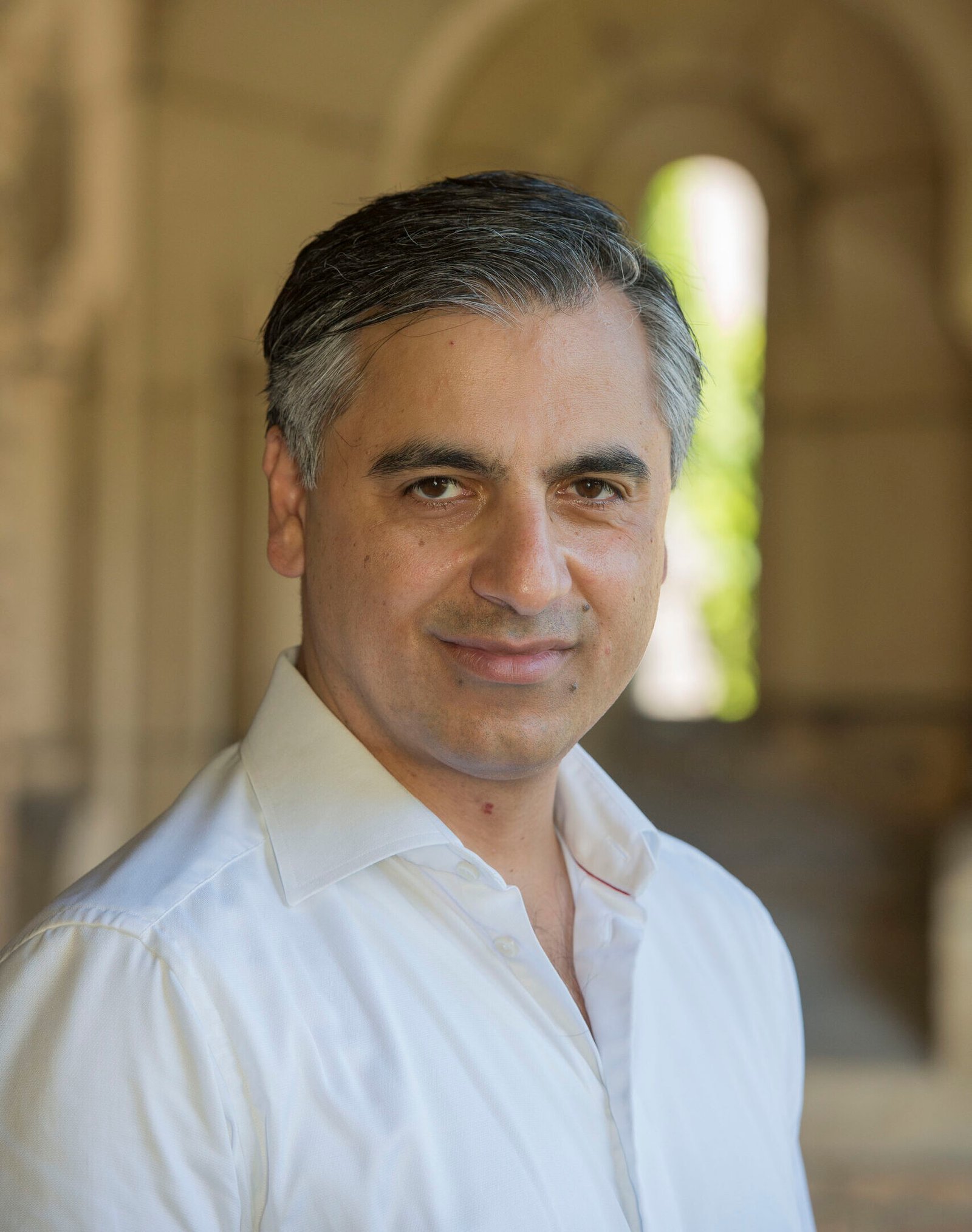
Payam Akhavan
Dr. Payam Akhavan is a world-renowned human rights lawyer and former UN prosecutor whose work…
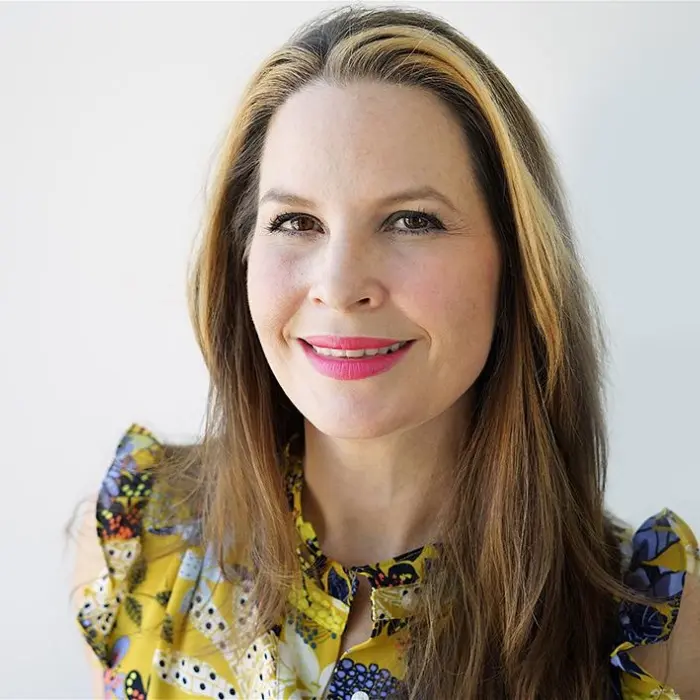
Minky Worden
Minky Worden is a leading global advocate for human rights and Director of Global Initiatives…

Shuja Jamal
Shuja Jamal is a lawyer, policy researcher and former senior Afghan civil servant. He is…
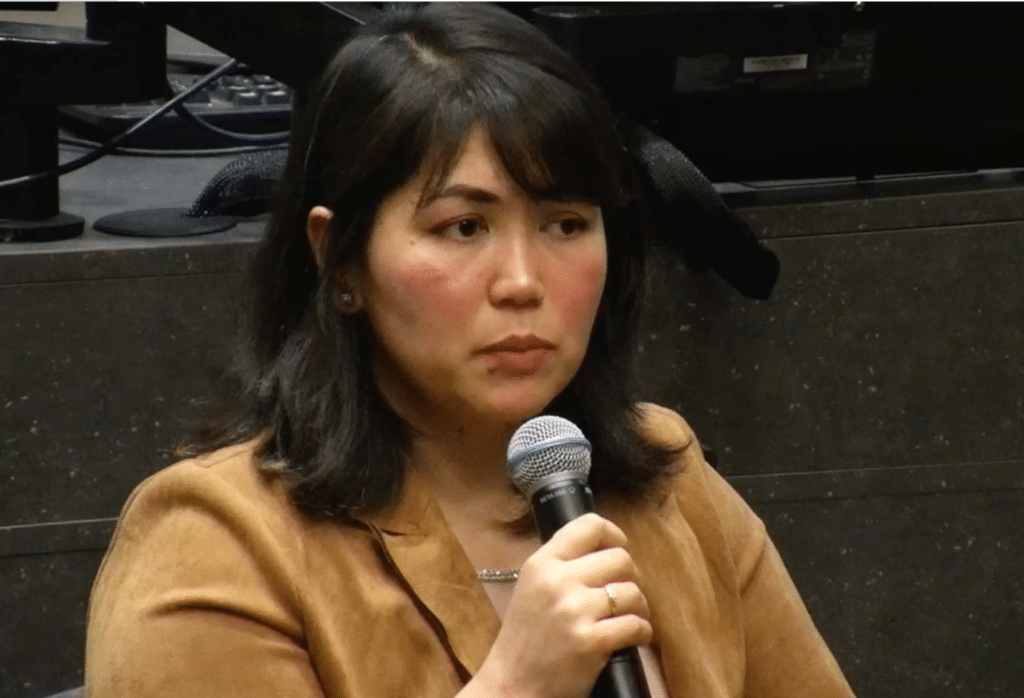
Friba Rezayee
Afghanistan’s first female Olympian (judo, Athens 2004), Friba Rezayee is the founder and executive director…

Baktash Ahadi
Baktash Ahadi is an Emmy Award–winning filmmaker, storyteller, and former combat interpreter whose powerful work…
Dr. Rahela Kaveer
Dr. Rahela Kaveer is Chair of the World Hazara Council and a fearless advocate for…
Latest Press
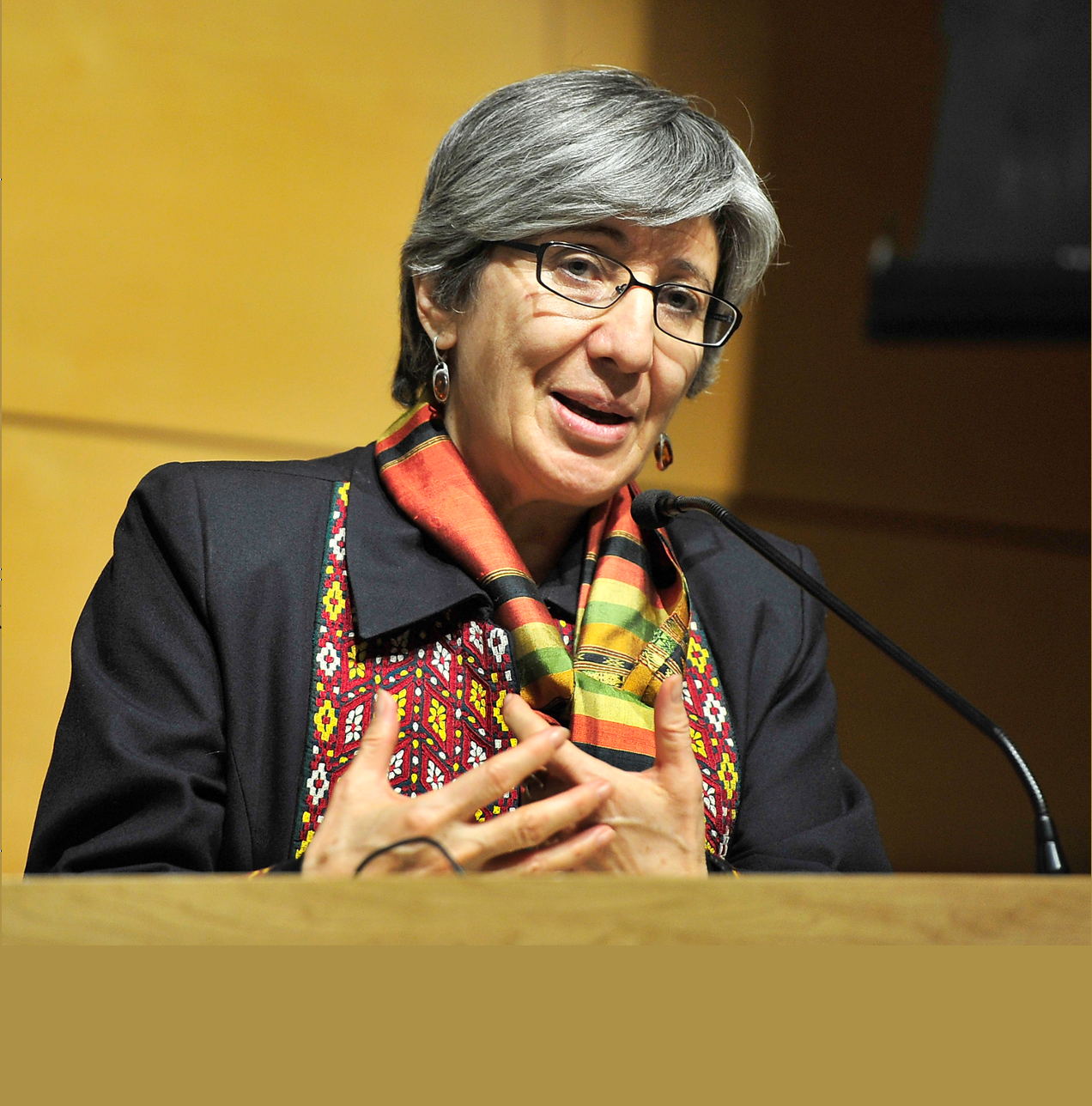
Dr. Sima Samar’s Speech on Five Years of Taliban’s Second Takeover
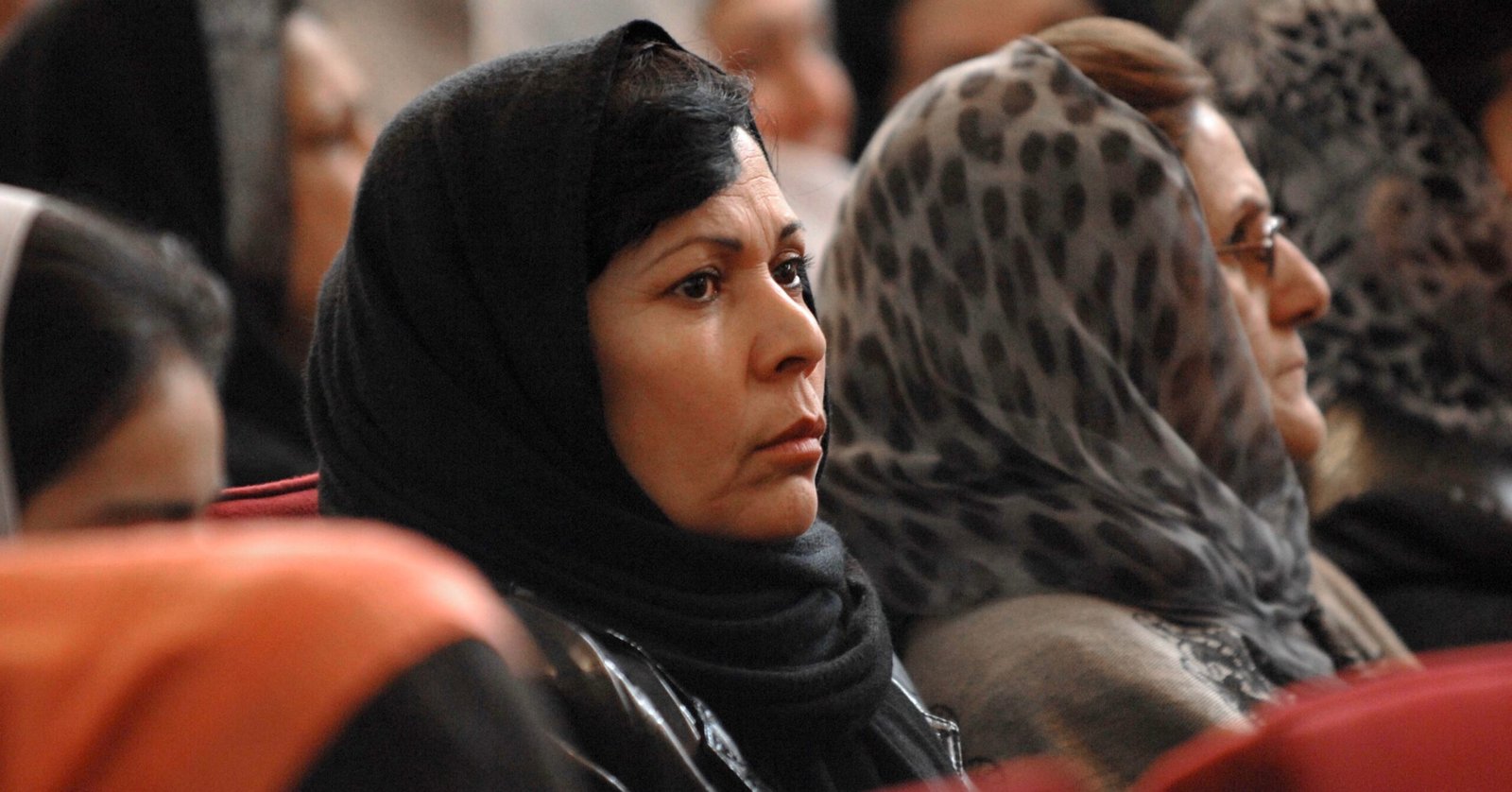
Voices of Afghanistan Interview Series: ‘We have kept hope alive in the heart of darkness, waiting for the day when we can once again raise our voices and be present in society.’
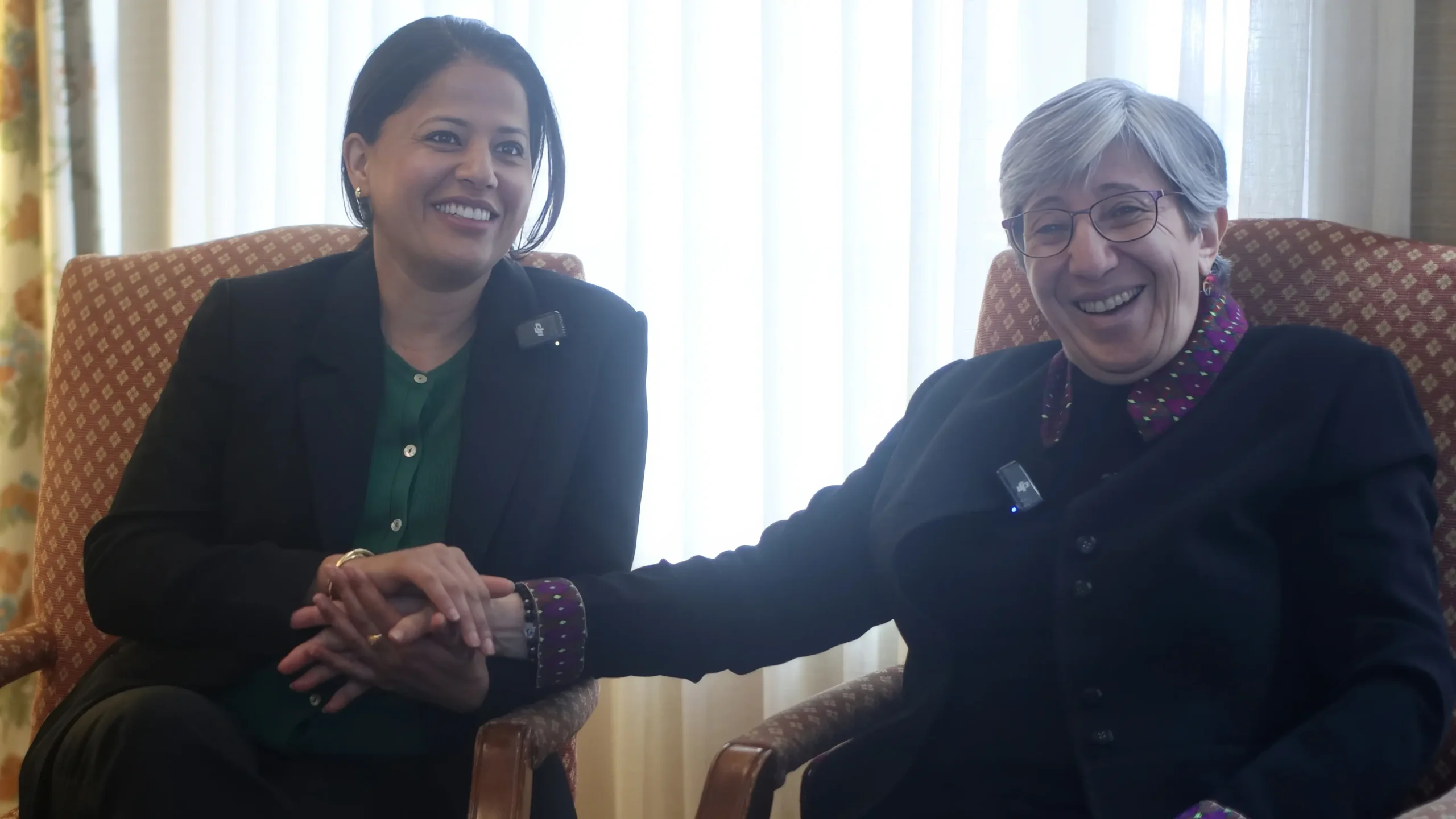
Who gets to dream? Sima Samar and Jamila Raqib on education, power and gender apartheid